


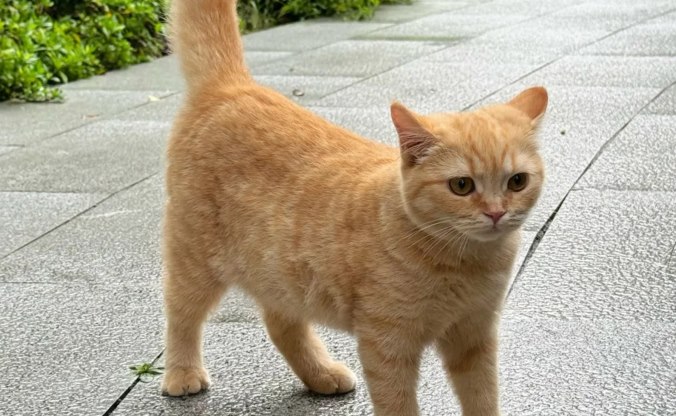
Urinary Tract Problems in Cats
A sudden litter box change can be more than a behavior problem. Knowing what is normal for your cat can help you notice urinary discomfort earlier and seek veterinary care sooner.
Urinary problems in cats can show up as changes in litter box habits, urine output, or discomfort while urinating. Recognizing these changes early and seeking veterinary care can help identify the cause and guide appropriate treatment.
01 — WHEN THE ROUTINE CHANGES
Why Is My Cat Peeing Outside the Litter Box?
A cat that suddenly avoids the litter box may be reacting to discomfort rather than “misbehaving,” so changes in routine deserve a closer look.
A sudden change in litter box habits can be an early sign of a urinary tract problem, especially when a cat urinates in unusual places, visits the box more often, or produces only small amounts of urine.
When a cat suddenly stops using the litter box, it can be easy to assume that they are being difficult or simply unhappy with their litter box. But changes in urination habits can sometimes be an early sign of a urinary tract problem.
Cats can experience a range of urinary conditions, including urinary tract infections, bladder stones, and other lower urinary tract problems. Some cats may also develop recurring urinary issues that require ongoing monitoring and long-term management.
For cats with certain urinary conditions, veterinary-recommended urinary diets may become part of a broader care plan. Depending on the specific diagnosis, appropriate nutritional management may help support urinary health and, in some cases, help manage certain types of urinary crystals or stones.
Because urinary problems can have different causes, the right approach depends on your cat's individual condition. Veterinary care may include dietary management, medication, increased attention to hydration, and other treatments when necessary.
A Litter Box Change May Be More Than a Behavior Problem
If your cat has been reliably using the litter box but suddenly begins urinating on the floor, carpet, furniture, or other unusual places, don't immediately treat it as a behavioral issue.
A cat experiencing urinary discomfort may associate the litter box with pain and begin looking for other places to urinate.
Other changes can be subtle. Your cat may visit the litter box more frequently, stay there longer than usual, or produce only a small amount of urine.
These changes can be easy to overlook, especially because cats often try to hide signs of illness.
Paying attention to your cat's normal litter box habits can therefore help you recognize potential urinary problems earlier.
01 / Place
Unusual places
Floor, carpet, furniture, or other places may replace the litter box.
02 / Frequency
More frequent visits
Your cat may enter the litter box more often or stay there longer.
03 / Output
Only a small amount
Changes may be subtle, especially when very little urine is produced.
02 — RECOGNIZE THE SIGNS
Signs That Your Cat May Have a Urinary Problem
The most useful clues often appear in everyday litter box behavior: frequency, effort, urine color, urine amount, and new grooming around the urinary area.
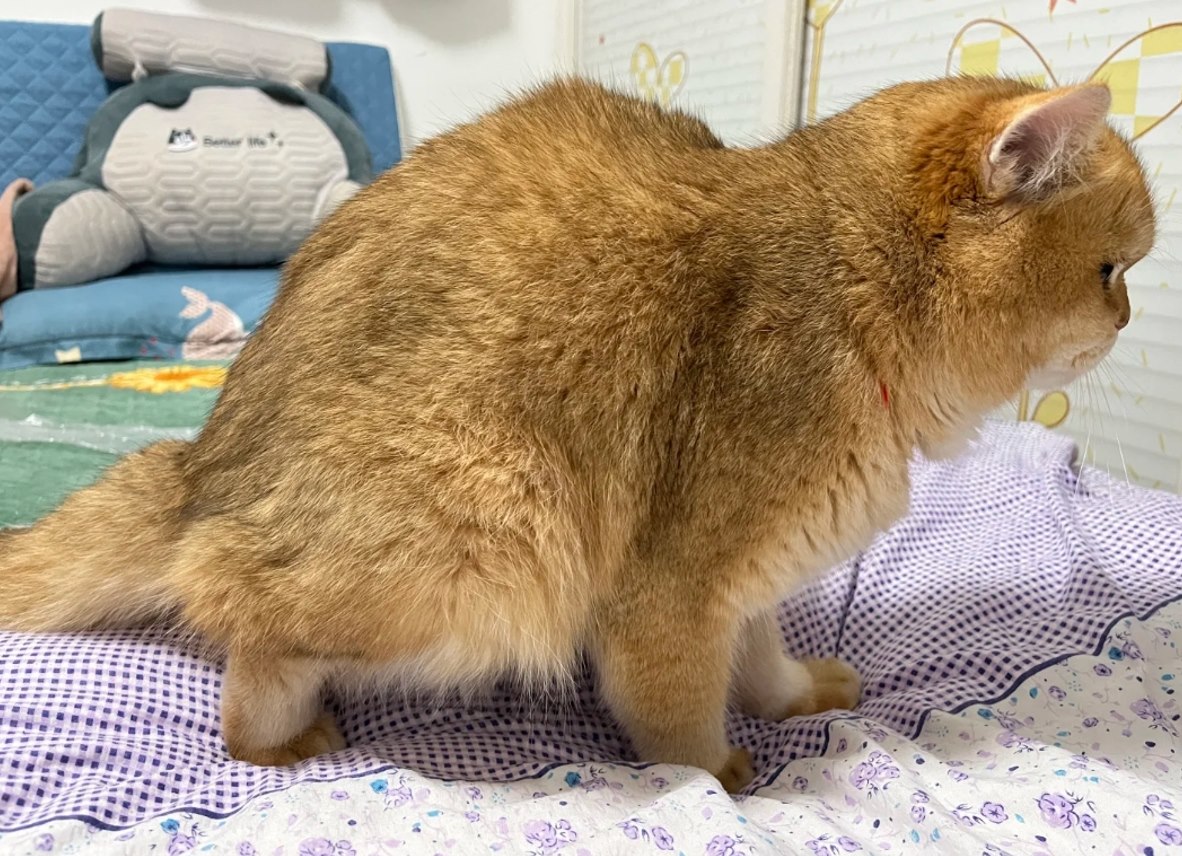
Frequent trips to the litter box, straining, blood in the urine, urinating outside the box, excessive licking around the urinary area, and changes in urine output can all be signs that your cat needs veterinary attention.
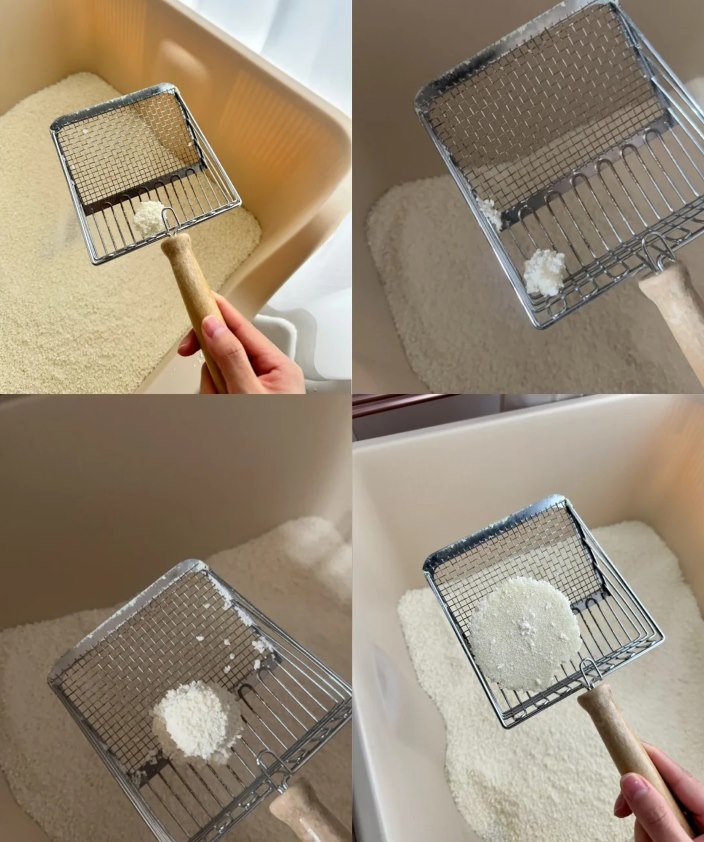
Urinary discomfort can be stressful and painful for cats. If you notice a sudden change in your cat's urination habits, take it seriously and contact your veterinarian for advice.
Frequent Trips to the Litter Box
A cat with urinary irritation may repeatedly enter the litter box but produce only small amounts of urine. You may notice many more trips than usual, even though very little urine is being produced.
Straining or Difficulty Urinating
Your cat may squat in the litter box for an unusually long time, repeatedly change position, or appear uncomfortable while trying to urinate. Straining should not be ignored.
Blood in the Urine
Urine that appears pink, red, or darker than usual may contain blood. This can occur with bladder irritation, urinary stones, infections, or other urinary tract conditions.
Urinating Outside the Litter Box
Unexpected urination on bedding, carpets, floors, or other surfaces can be one of the most noticeable signs that an underlying health problem may be contributing.
Excessive Licking Around the Urinary Area
A cat experiencing discomfort may repeatedly lick the area around the genitals or lower abdomen. New or noticeably more frequent licking is worth discussing with your veterinarian.
Changes in Urine Output
Pay attention not only to how often your cat urinates, but also to how much urine is produced. A noticeable decrease can be concerning, particularly with repeated visits or straining.
Important — seek care immediately
If your cat repeatedly strains to urinate and produces little or no urine, seek veterinary care immediately. Urinary obstruction can become a serious emergency, particularly in male cats.
03 — UNDERSTAND THE CAUSE
What Can Cause Urinary Tract Problems in Cats?
Similar symptoms can come from different conditions, so the cause needs to be identified before the right treatment or nutritional plan can be chosen.
Urinary symptoms can have different causes, including lower urinary tract problems, urinary tract infections, and urinary stones. An examination and diagnostic tests may be needed to determine what is causing your cat's symptoms.
Feline Lower Urinary Tract Problems
Lower urinary tract problems can affect the bladder and urethra and may cause signs such as frequent urination, straining, blood in the urine, or urinating outside the litter box.
The underlying cause can vary from one cat to another, so treatment should be based on an individual diagnosis rather than symptoms alone.
Urinary Tract Infections
Urinary tract infections occur when bacteria affect parts of the urinary system.
Although UTIs are not the only possible cause of urinary symptoms in cats, an infection may cause frequent urination, discomfort, blood in the urine, or changes in litter box behavior.
If an infection is diagnosed, your veterinarian can recommend appropriate treatment.
Two Types of Urinary Stones
01 / Struvite
Struvite Crystals and Stones
Certain minerals can form crystals in a cat's urine. Under some conditions, these crystals may combine and develop into stones.
Struvite crystals and stones can irritate the bladder and may contribute to painful urination, blood in the urine, and other urinary symptoms.
Depending on the specific condition, nutritional management may be included as part of treatment.
02 / Calcium oxalate
Calcium Oxalate Stones
Calcium oxalate is another type of mineral that can form urinary stones.
These stones cannot generally be dissolved through dietary management in the same way that certain struvite stones may be.
Treatment depends on factors such as the location and size of the stones and your cat's overall health.
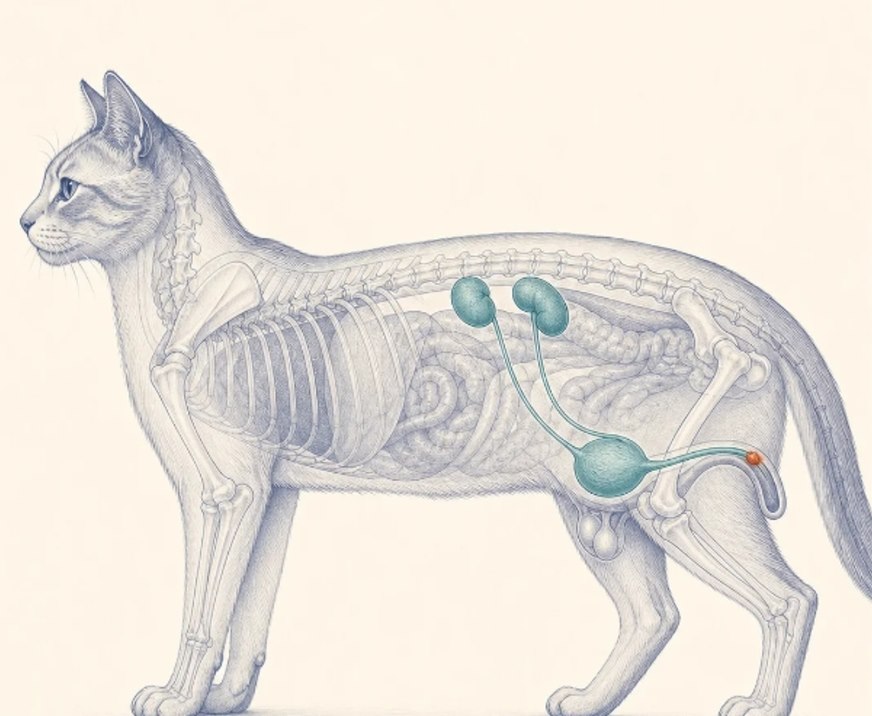
Urinary problems in cats can have several different causes, and similar symptoms may occur with different conditions.
Your veterinarian may need to perform an examination and diagnostic tests to determine what is causing your cat's symptoms.
Cats that have experienced urinary stones may also require ongoing monitoring because urinary problems can recur.
04 — SUPPORT EVERYDAY HEALTH
Helping Your Cat Maintain Better Urinary Health
Daily care cannot replace a diagnosis, but hydration, litter box comfort, and a calm home routine can all support better everyday urinary health.
Supporting urinary health may include better hydration, a clean and comfortable litter box, and a calm, predictable environment, alongside any treatment recommended by your veterinarian.
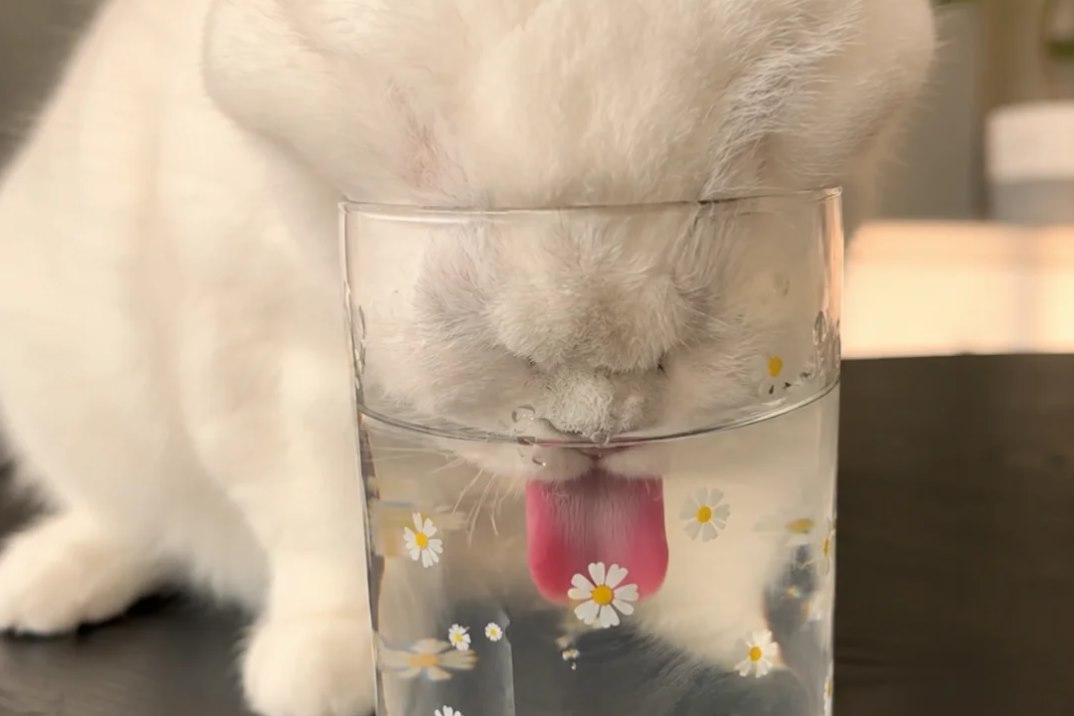
There is no single solution for every cat with urinary problems. The appropriate care plan depends on the underlying cause, the type of urinary issue, and your cat's overall health.
Your veterinarian may recommend one or more approaches, including dietary management, medication, hydration support, environmental changes, or procedures when necessary.
01
Encourage Adequate Water Intake
Good hydration is an important part of supporting normal urinary function.
Some cats naturally drink relatively little water, so it can be helpful to provide multiple clean water sources around the home.
Depending on your veterinarian's recommendations, incorporating appropriate wet food into your cat's diet may also be one way to increase overall water intake.
02
Keep the Litter Box Comfortable
A clean, comfortable litter box can encourage normal urination habits.
Scoop the litter box regularly and provide an environment where your cat feels safe using it. Some cats may also prefer having more than one litter box, particularly in multi-cat households.
Changes in litter type, box location, cleanliness, or accessibility can sometimes affect litter box use, so try to keep the routine consistent.
03
Support a Calm Environment
Stress may affect some cats' urinary health and litter box habits.
Providing quiet resting areas, predictable routines, safe hiding spaces, and opportunities for play can help create a more comfortable home environment.
For cats that are sensitive to changes, avoiding unnecessary disruptions may also be helpful.
05 — USE NUTRITION CAREFULLY
Nutritional Support for Urinary Health
A urinary diet can be useful for some diagnosed conditions, but the right nutritional approach depends on the specific problem—not simply on the presence of urinary symptoms.
Veterinary-recommended urinary diets may help support some diagnosed urinary conditions by influencing mineral intake and urine composition, but not every urinary problem requires the same type of diet.
Nutrition should follow the diagnosis.
If your cat has been diagnosed with a urinary condition, ask your veterinarian whether a veterinary-recommended urinary diet may be appropriate.
Specially formulated diets can be designed to support urinary health by influencing factors such as mineral intake and urine composition.
Depending on the specific condition, nutritional formulas may carefully manage minerals including calcium, phosphorus, and magnesium, which can be associated with the formation of certain urinary crystals and stones.
However, not every urinary problem requires the same type of diet.
A nutritional approach that is appropriate for one type of urinary stone may not be appropriate for another. Your veterinarian can help determine which food, if any, is suitable for your cat.
Do not switch your cat to a
urinary diet simply because they are showing urinary symptoms.
A proper
diagnosis should come first.
06 — FOLLOW THE TREATMENT PLAN
Medication and Veterinary Treatment
Treatment depends on what is causing the urinary problem, so medication, procedures, and follow-up care should always be guided by your veterinarian.
Medication and other treatment depend on the underlying cause. Antibiotics may be used for a diagnosed bacterial urinary tract infection, while pain relief, procedures, or other care may be needed in other cases.
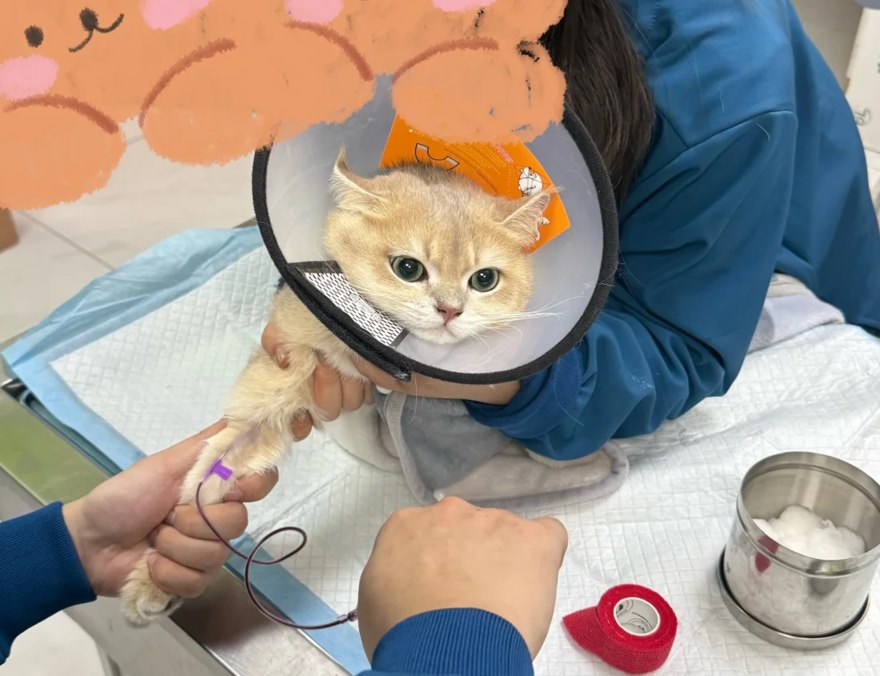
Depending on the underlying cause, your veterinarian may prescribe medication to help manage your cat's urinary condition.
For example, antibiotics may be used when a bacterial urinary tract infection has been diagnosed, while other medications may be recommended to help manage pain or inflammation.
Some cats may require additional treatment or procedures if stones or other physical problems are present.
It is important to follow your veterinarian's instructions carefully.
Use antibiotics only when a bacterial urinary tract infection has been diagnosed.
Other medications may be used to manage pain or inflammation.
Stones or other physical problems may require additional treatment or procedures.
Never give your cat human pain medication or other medications without veterinary guidance. Do not stop, change, or add medication on your own.
07 — KEEP WATCHING THE ROUTINE
Pay Attention to Your Cat's Litter Box Routine
Knowing your cat's normal litter box routine can help you notice changes in frequency, urine amount, straining, blood in the urine, grooming, drinking, or eating habits more quickly.
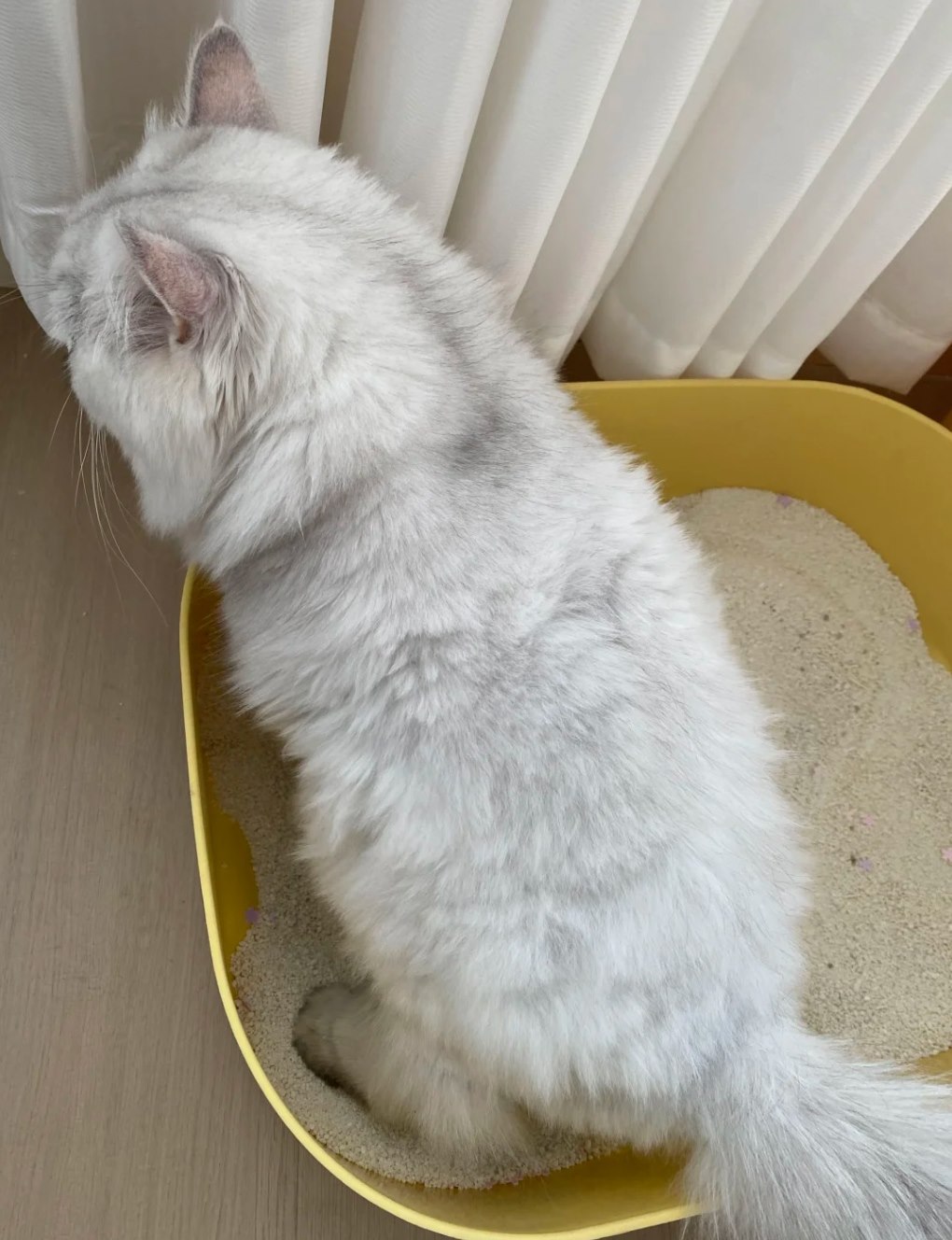
Cats cannot tell us when something hurts, so their everyday habits can provide valuable clues.
Knowing what is normal for your cat makes it easier to notice changes. Keep an eye on:
How often your cat uses the litter box
The approximate amount of urine produced
Whether your cat strains or appears uncomfortable
Whether there is blood in the urine
Whether your cat suddenly urinates outside the litter box
Whether your cat repeatedly licks the urinary area
Changes in drinking or eating habits
If you notice a persistent or sudden change, don't assume that it will resolve on its own.
Some urinary problems can worsen quickly, and early veterinary attention can make a significant difference.
For cats with recurring urinary problems, long-term management may become part of their normal routine.
With appropriate veterinary care, suitable nutrition, good hydration, and a comfortable home environment, you can help support your cat's urinary health and give them a more comfortable everyday life.