


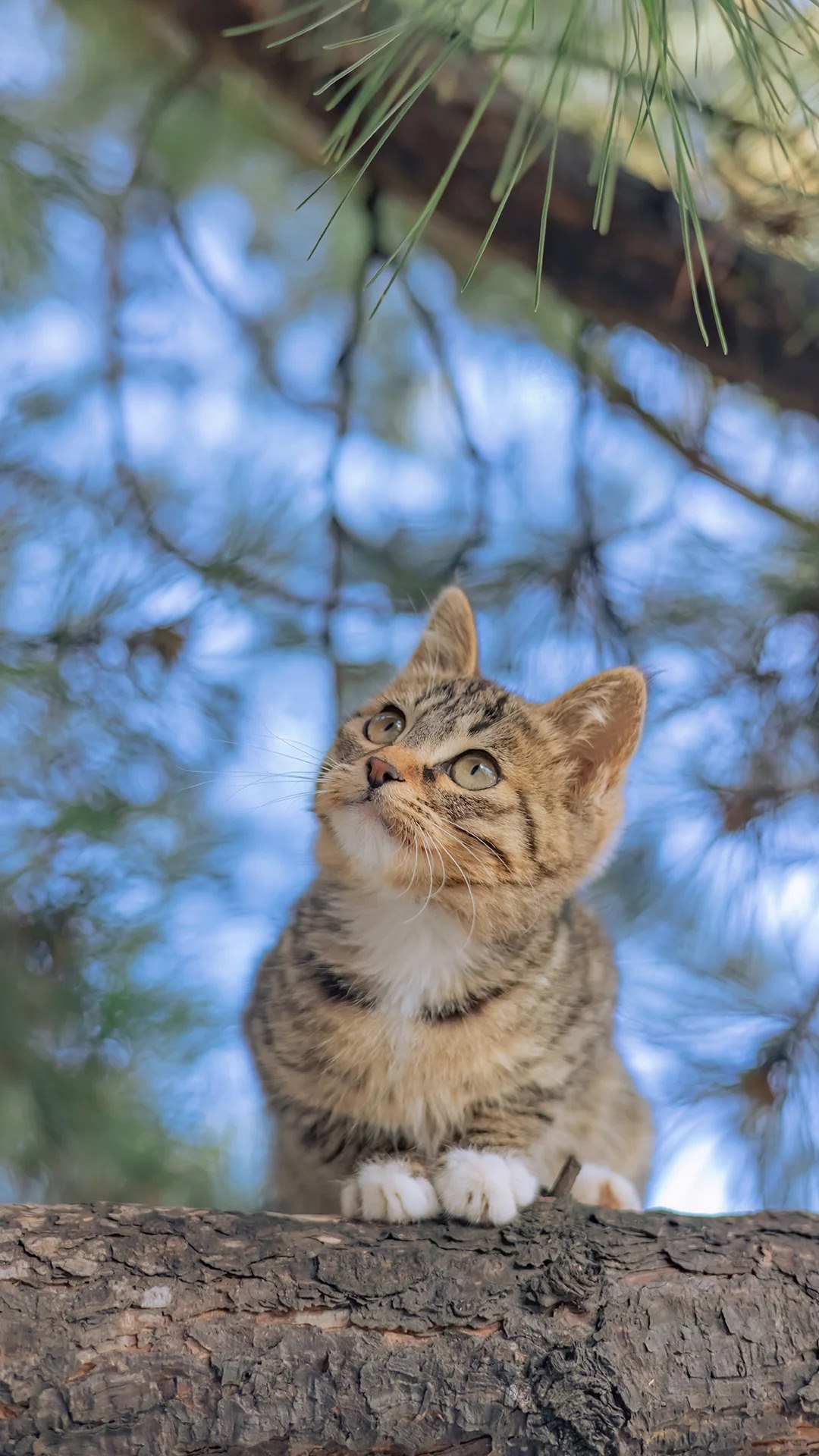
Kidney Health in Cats
Kidney disease can develop gradually and may not cause obvious symptoms at first. Regular checkups, attention to everyday changes, and long-term care can help support your cat’s health and comfort.
01 — KIDNEY FUNCTION & CKD
Understanding Kidney Disease in Cats
Cats can live with changing kidney function for quite some time before obvious symptoms appear, which is why regular checkups and early awareness matter.

What the kidneys do every day
Your cat’s kidneys work quietly in the background every day. They remove waste products from the blood, regulate fluids and electrolytes, and help maintain the balance of minerals in the body.
When kidney function becomes impaired, waste products can begin to accumulate and affect other parts of the body.
Why CKD matters
One of the most important kidney conditions in cats is chronic kidney disease (CKD). Unlike some short-term illnesses, CKD generally develops gradually and can continue over a long period of time.
Why checkups matter
Cats may live with kidney disease for a while before obvious symptoms appear. This is one reason why regular veterinary checkups are particularly important, especially as your cat gets older.
WASTE REMOVAL
Helps clear waste products from the blood.
FLUID BALANCE
Supports normal regulation of fluids and electrolytes.
MINERAL BALANCE
Helps maintain the body’s mineral balance over time.
02 — CAUSES & CONTRIBUTING FACTORS
Why Do Cats Develop Kidney Disease?
Kidney problems may develop suddenly or progress gradually over time, and the underlying factors can differ between individual cats.
Acute Kidney Problems
Acute kidney injury can develop over a relatively short period of time. Severe dehydration, certain illnesses, or exposure to harmful substances can potentially affect kidney function.
Because acute kidney problems can progress rapidly, a cat that suddenly becomes very unwell should receive veterinary attention promptly.
Chronic Kidney Disease
Chronic kidney disease develops more gradually and can persist for a long period of time. In some cats, the exact cause may not always be obvious, and the signs can be subtle enough that owners do not notice them at first.
For cats diagnosed with CKD, long-term monitoring and an appropriate care plan can help manage the condition and support quality of life.
Kidney Disease Can Have Different Causes
Kidney disease can have many different causes, and the underlying factors may differ between individual cats.
In general, kidney problems may develop suddenly or progress gradually over time.
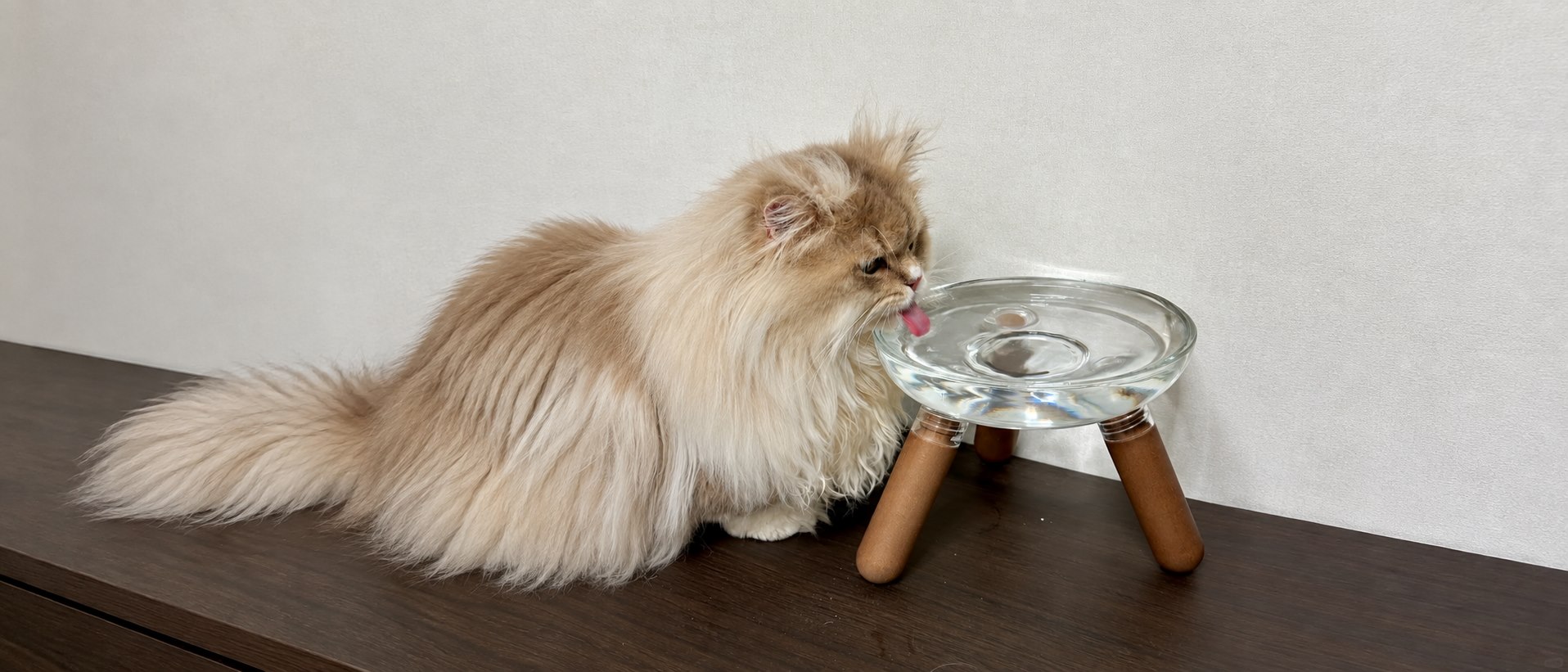
Age
Kidney disease becomes an increasingly important health consideration as cats grow older. Older cats should receive regular health assessments so that changes can be identified as early as possible.
Nutrition
Cats with chronic kidney disease may have different nutritional needs from healthy cats. Nutrients such as phosphorus and protein may need to be carefully considered, and a veterinarian-recommended kidney diet may become part of long-term care.
Dehydration
Low water intake, vomiting, or diarrhea can contribute to fluid loss. Severe dehydration can affect normal blood flow to the kidneys and place additional stress on kidney function.
Other Health Conditions
Other illnesses can also affect kidney function or make existing kidney disease more difficult to manage, which is why overall health remains part of the long-term picture.
03 — EARLY DETECTION
Why Early Detection Matters
A cat may continue eating, grooming, and behaving relatively normally while kidney function is already changing. More noticeable symptoms may only appear as the condition progresses.
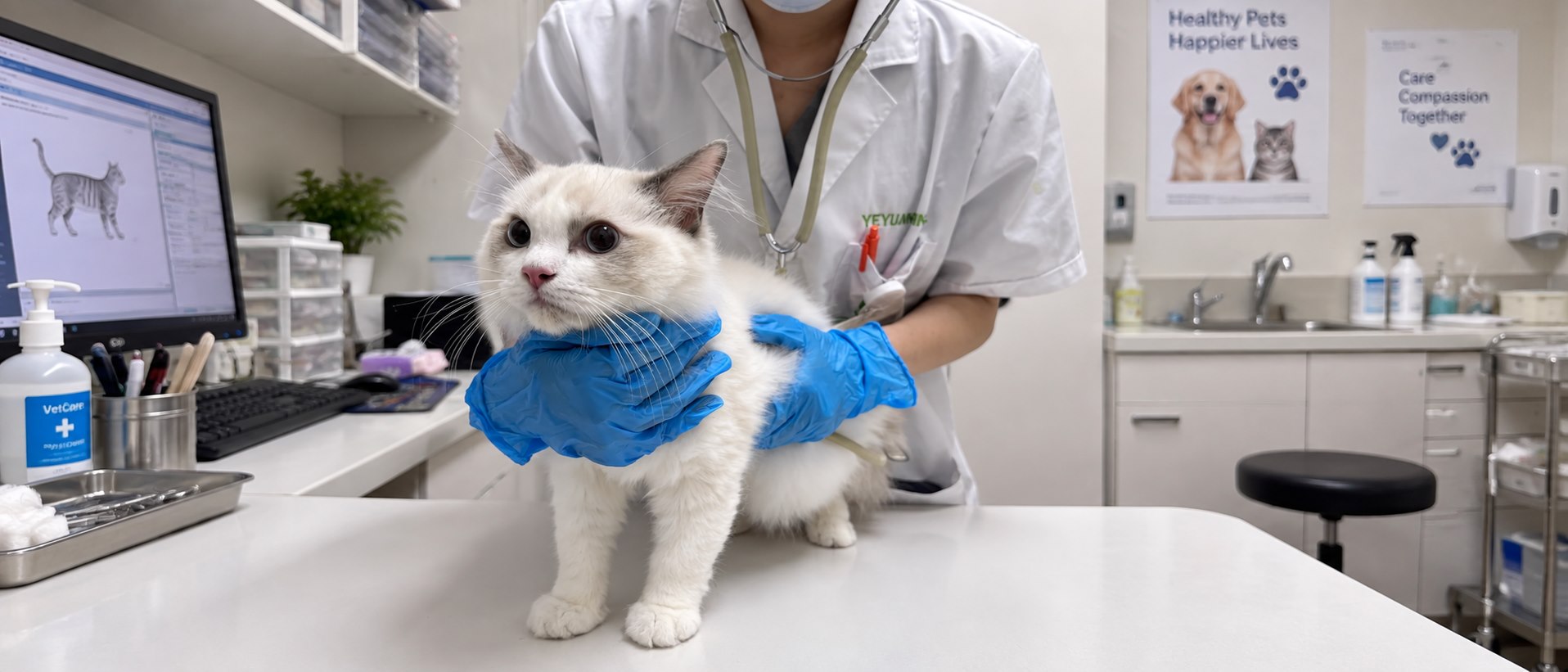
One of the challenges of kidney disease in cats is that the early signs can be very subtle. More noticeable symptoms may only appear as the condition progresses.
This is why regular veterinary checkups can be especially valuable for older cats. If kidney disease is identified, early management can help establish an appropriate long-term care plan.
Chronic kidney disease cannot generally be completely reversed once permanent kidney damage has occurred. However, appropriate veterinary care, nutrition, hydration, and regular monitoring can help manage the condition and support quality of life.
What your veterinarian may recommend
Your veterinarian may recommend blood tests, urine tests, blood pressure monitoring, or other assessments depending on your cat’s age and health history.
Blood tests
Check kidney-related blood values.
Urine tests
Look at urine concentration and other changes.
Blood pressure
Monitor an important part of long-term kidney care.
Other assessments
Chosen according to your cat’s age and history.
04 — POSSIBLE SIGNS
Signs Your Cat May Have Kidney Disease
Because early kidney disease may not cause obvious symptoms, the clearest clues often show up in small everyday changes: water, litter box habits, appetite, weight, energy, grooming, and behavior.
Drinking More Water
A noticeable increase in water consumption can be an important sign of changes in kidney function. You may notice your cat visiting the water bowl more frequently or seeking water from places they normally ignore.
Urinating More Often
Changes in urine volume or litter box habits may also be noticeable. You may find larger amounts of urine in the litter box or need to clean the box more frequently than before.
Changes in Appetite
A cat with kidney disease may gradually become less interested in food. A significant or persistent decrease in appetite should always be taken seriously in cats.
Weight Loss
Unexplained weight loss can occur as kidney disease progresses. If your cat seems thinner even though you have not intentionally changed their diet, keep track of the change and discuss it with your veterinarian.
Vomiting or Digestive Changes
Some cats with kidney disease may experience vomiting or other digestive problems. Persistent vomiting should be investigated rather than assumed to be caused by the kidneys.
Low Energy
A cat that is normally curious and active may become quieter, sleep more, or show less interest in play. Subtle behavior changes can be easier to notice when compared with their usual routine.
Changes in Coat and Grooming
When a cat starts feeling unwell, they may groom themselves less frequently, and the coat may gradually appear dull, messy, or less well maintained than usual.
Bad Breath or Mouth Problems
Changes in breath odor or the appearance of the mouth can also occur with advanced kidney problems. A veterinary examination can help determine the underlying cause.
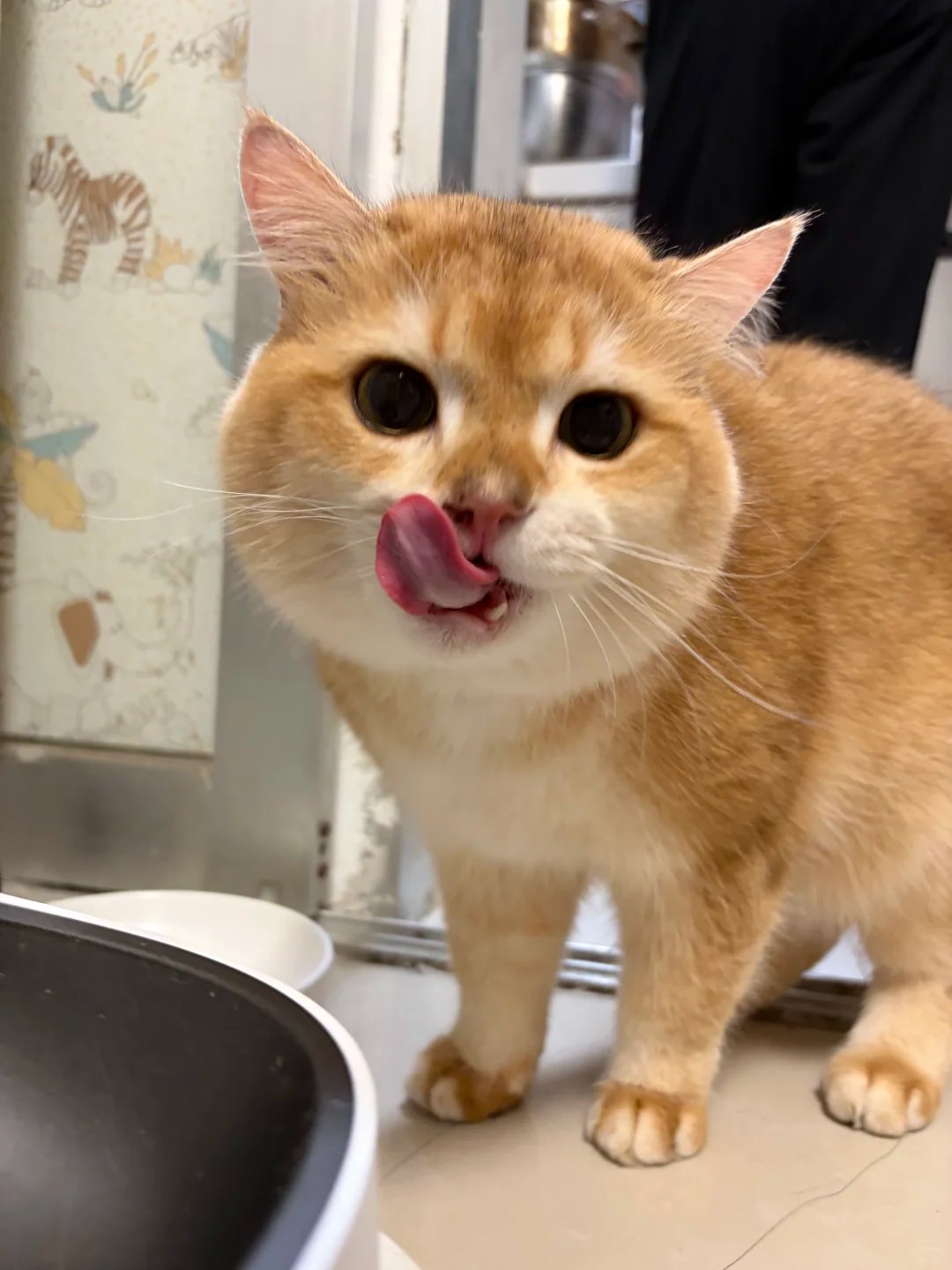
Everyday routines often provide the first clues, which is why knowing what is normal for your own cat is so useful.
05 — DAILY CARE
Supporting a Cat with Kidney Disease
There is no single treatment plan that works for every cat. The right approach depends on stage, symptoms, nutritional needs, hydration status, and any other health conditions.
Your veterinarian may recommend a combination of dietary management, hydration support, medication, and regular monitoring.
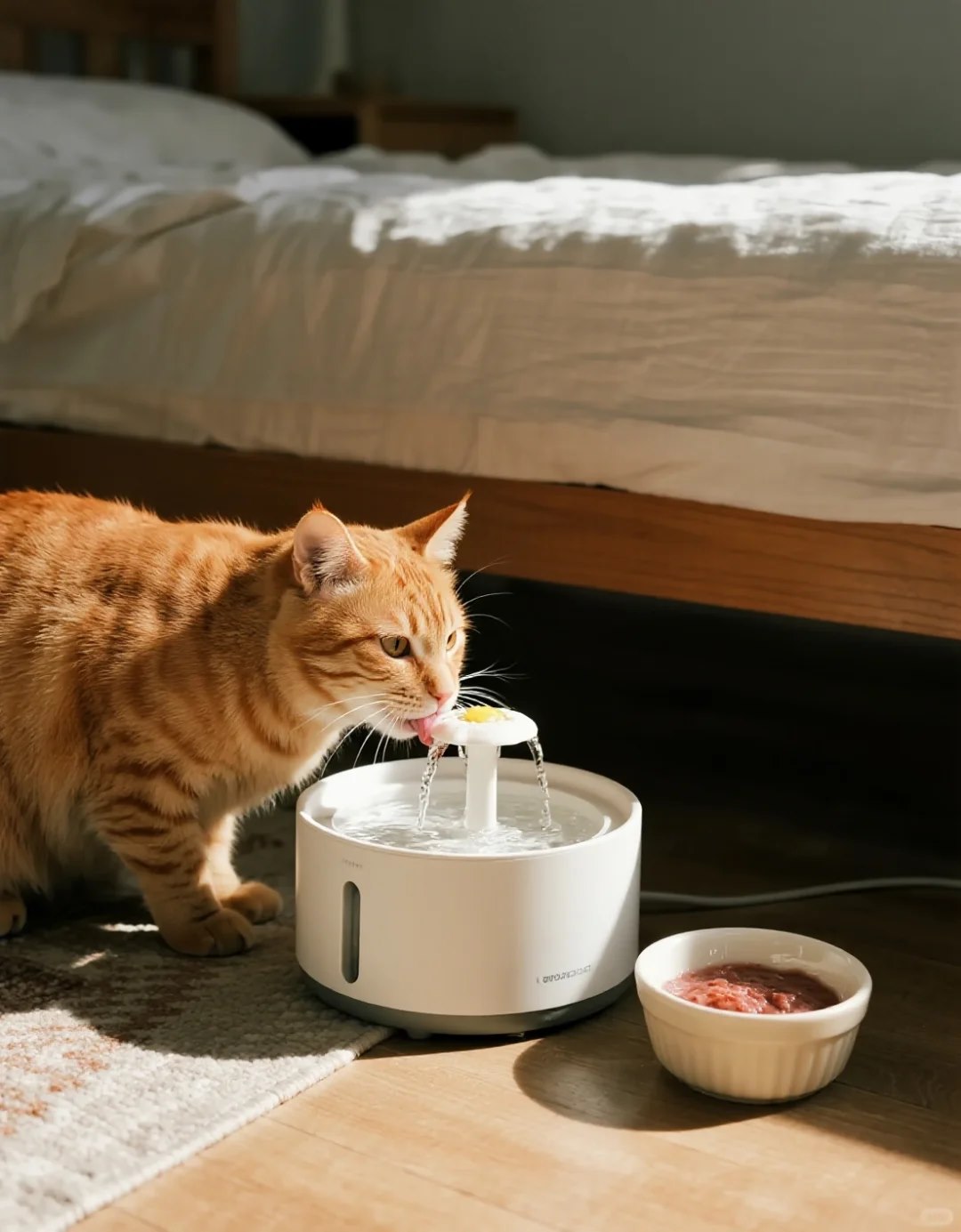
Make Water Easier to Access
Supporting adequate hydration can be an important part of caring for a cat with kidney disease. Consider providing fresh water in several easily accessible locations around the home.
Some cats prefer certain types of bowls or enjoy drinking from a fountain. Your veterinarian can also advise you on whether increasing moisture through appropriate wet food may be beneficial.
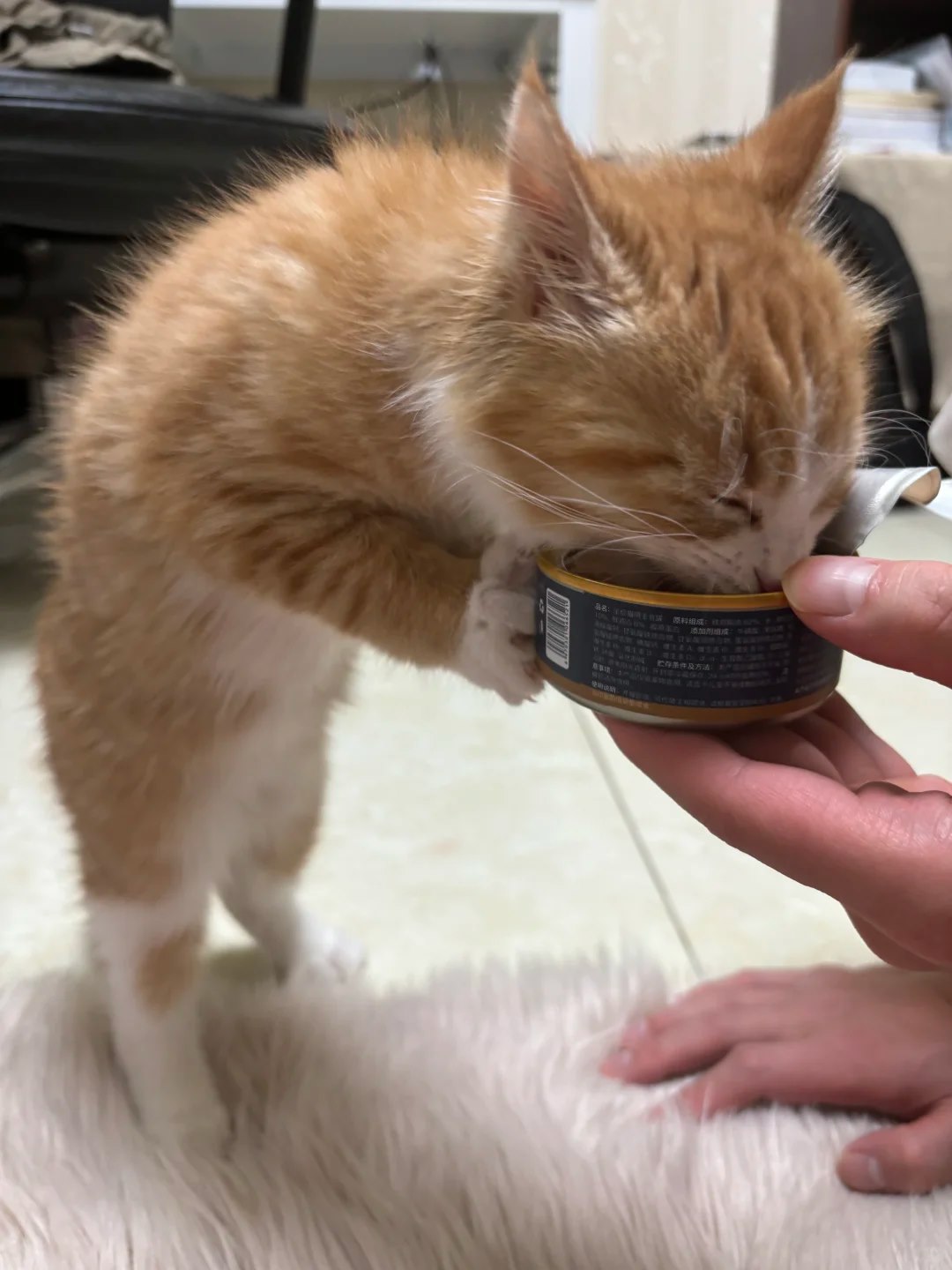
Keep Food Appealing
Cats with kidney disease may experience changes in appetite, which can make feeding more challenging. If your veterinarian has recommended a kidney-supportive diet, try to maintain a consistent feeding routine and monitor how much your cat actually eats.
If your cat suddenly refuses their food or stops eating, contact your veterinarian rather than assuming they are simply being picky.
06 — NUTRITION & KIDNEY CARE
Nutritional Care for Cats with Kidney Disease
Veterinary diets formulated for cats with kidney disease may adjust nutrients such as phosphorus, protein, and sodium to better suit cats with reduced kidney function.
01 / CORE NUTRITION QUESTION
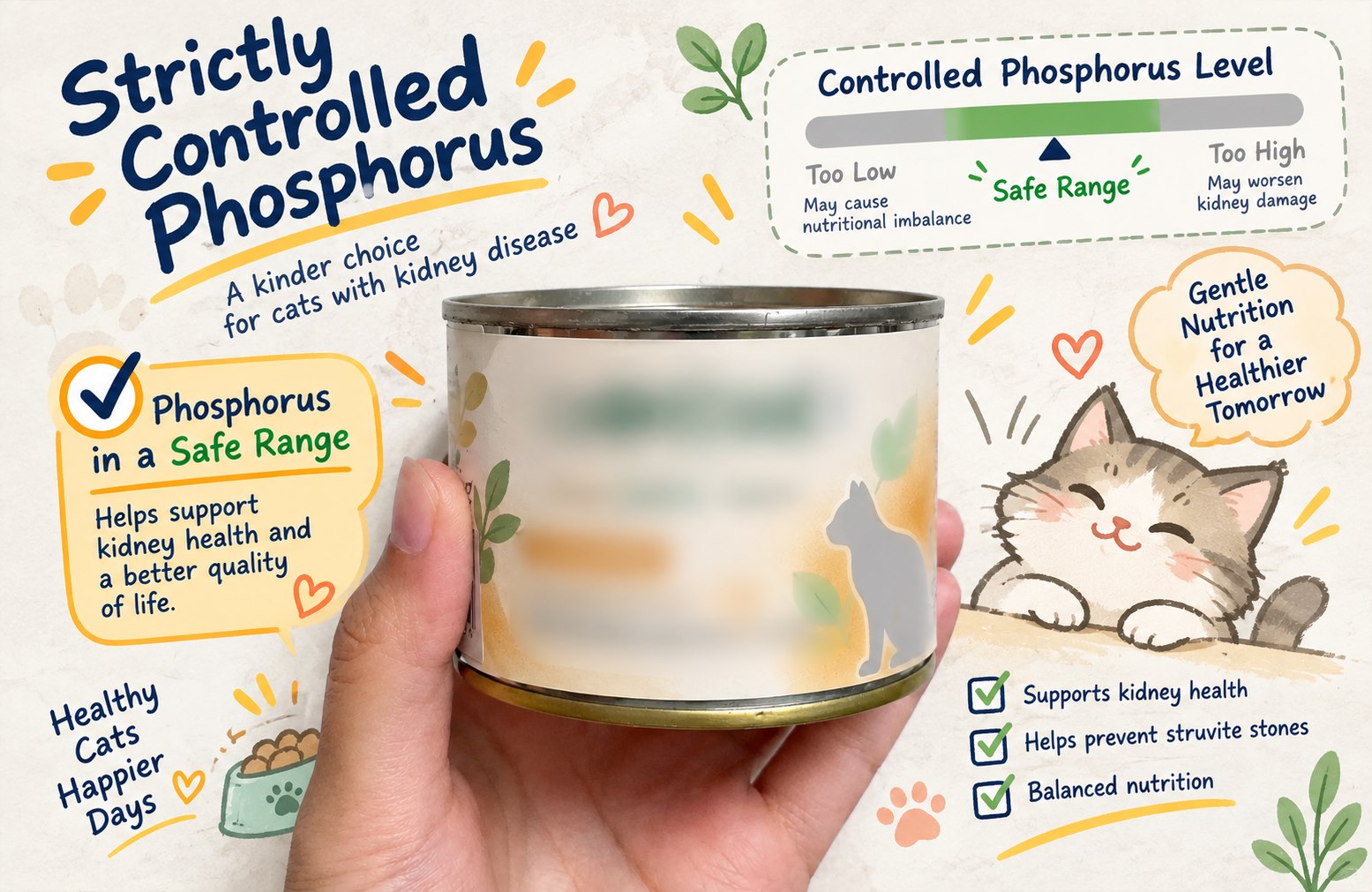
Why Is Phosphorus Important?
When kidney function declines, the body may have more difficulty maintaining a normal phosphorus balance. For some cats with chronic kidney disease, controlling dietary phosphorus may therefore be an important part of nutritional management.
Your veterinarian can determine whether phosphorus restriction is appropriate and recommend a diet that fits your cat’s individual condition.
02 / CORE NUTRITION QUESTION
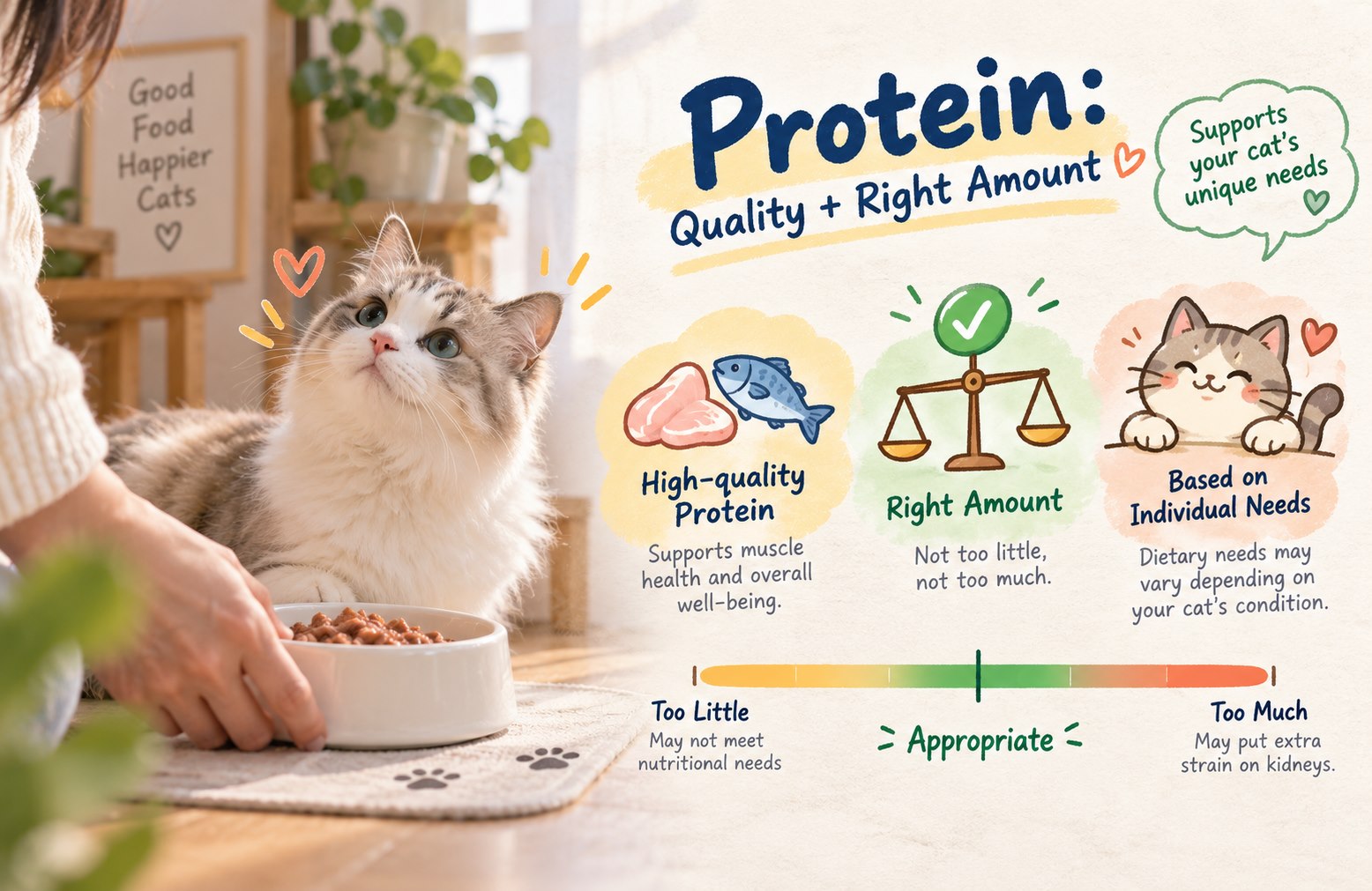
What About Protein?
Protein is an essential nutrient for cats, and cats have specific dietary requirements for high-quality protein. However, cats with kidney disease may have different nutritional needs from healthy cats.
The goal is not simply to remove as much protein as possible, but to provide an appropriate amount and quality based on the cat’s condition. This is one reason why a veterinarian-recommended diet can be preferable to making major dietary changes independently.
03 / BEFORE ADDING ANYTHING NEW
Should You Give Your Cat Supplements?
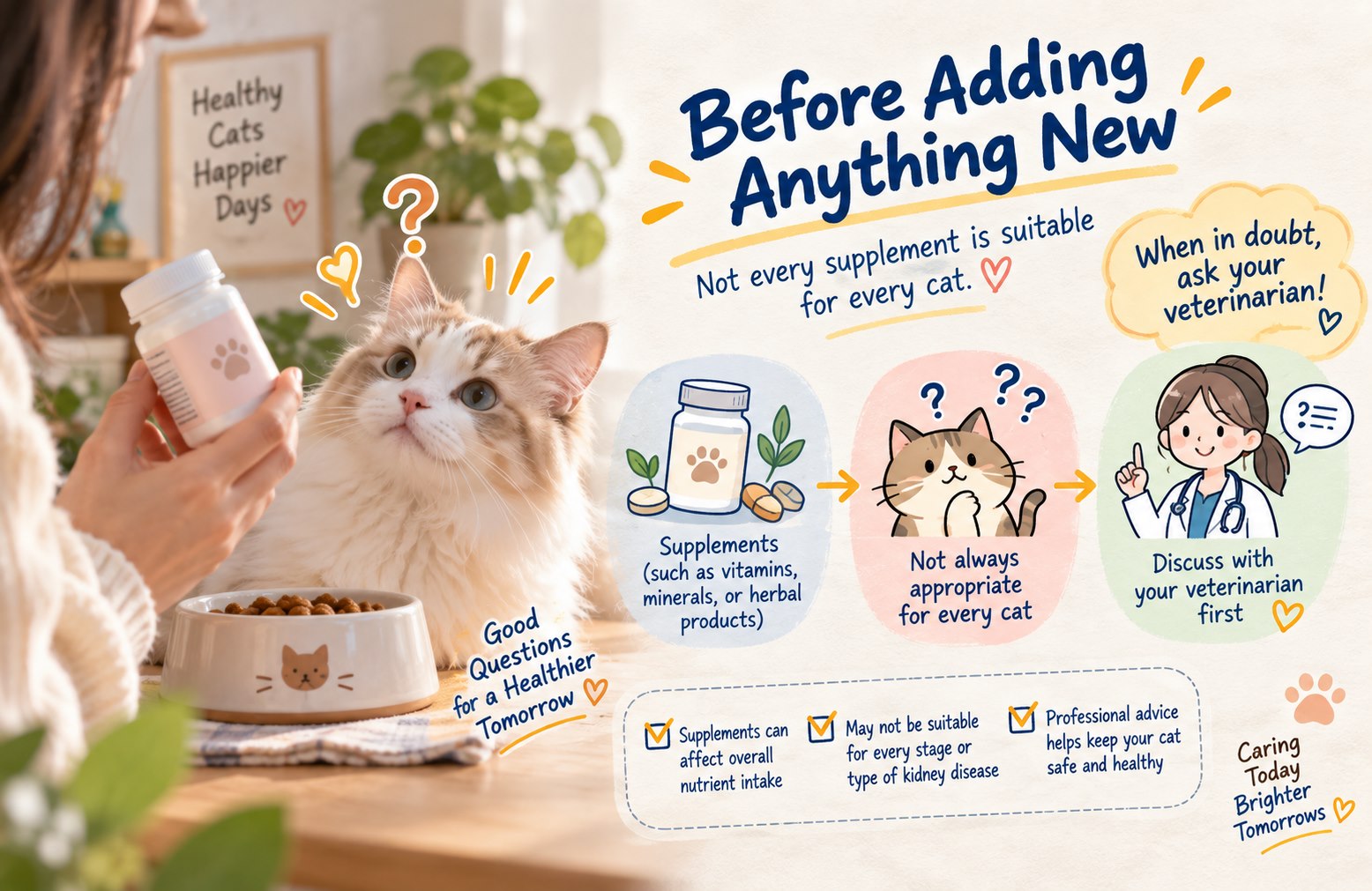
It can be tempting to add supplements when a cat has a chronic health condition, especially when certain products are promoted online as supporting kidney health. However, supplements can affect a cat’s overall nutrient intake and may not be appropriate for every stage or type of kidney disease.
Before adding nutritional yeast, vitamins, minerals, herbal products, or other supplements, discuss them with your veterinarian.

04 / USE EXTRA CARE
What About Homemade or Raw Diets?
Homemade or raw diets are sometimes promoted as alternatives to commercial pet food. However, creating an appropriate diet for a cat with kidney disease can be particularly challenging because nutritional requirements need to be carefully balanced.
A diet that appears healthy may not provide the right amounts of essential nutrients or may contain more phosphorus or other nutrients than your cat needs. If you are considering a homemade or raw feeding approach, discuss it with your veterinarian or a qualified veterinary nutrition professional first.
07 — REGULAR MONITORING
Regular Monitoring Is Part of Kidney Care
Kidney disease is not something that can usually be managed with a single treatment and then forgotten. Monitoring helps reveal whether the current care plan is still working.
What your veterinarian may monitor
Blood values
Kidney-related blood values may help show how the condition is changing over time.
Urine changes
Urine concentration and other urine changes may be part of ongoing monitoring.
Hydration & blood pressure
Hydration status and blood pressure can both matter in long-term kidney care.
Body weight & appetite
Weight changes, food intake, and everyday behavior help fill in the real-life picture at home.
A simple home record can help
Keeping a simple record at home can make veterinary visits more useful, because you can share a more accurate picture of what has actually changed.
08 — COMFORT & QUALITY OF LIFE
Helping Your Cat Live Comfortably with Kidney Disease
Appropriate long-term care and regular veterinary monitoring can help your cat stay comfortable and continue enjoying familiar daily routines.

The most important steps are to identify changes early, follow your veterinarian’s recommendations, provide appropriate nutrition and hydration, and continue monitoring your cat’s condition.
Your cat may not show obvious signs when something is changing internally. By paying attention to their water bowl, litter box, appetite, weight, coat, and everyday behavior, you can become better at recognizing changes that deserve attention.
With appropriate long-term care and regular veterinary monitoring, you can help your cat stay comfortable and continue enjoying the familiar routines, sunny windows, favorite sleeping spots, and quiet moments that make them feel at home.
Kidney care is not only about test results. It is also about protecting your cat’s comfort in everyday life — the bowl they return to, the place they rest, the habits you know by heart, and the small changes that help you notice when something needs attention.