


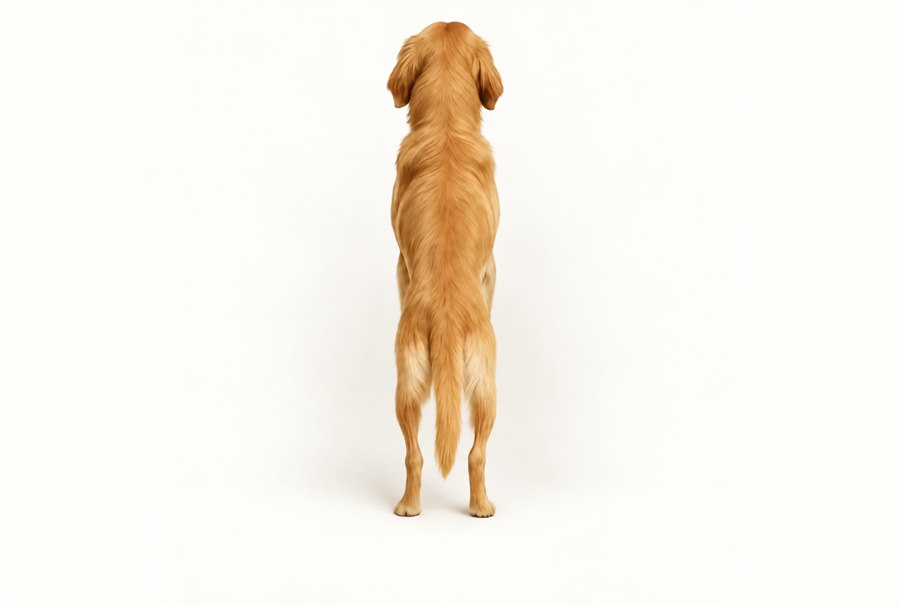
Underweight
The ribs, spine, and hip bones are clearly visible from a distance, with little to no visible body fat.
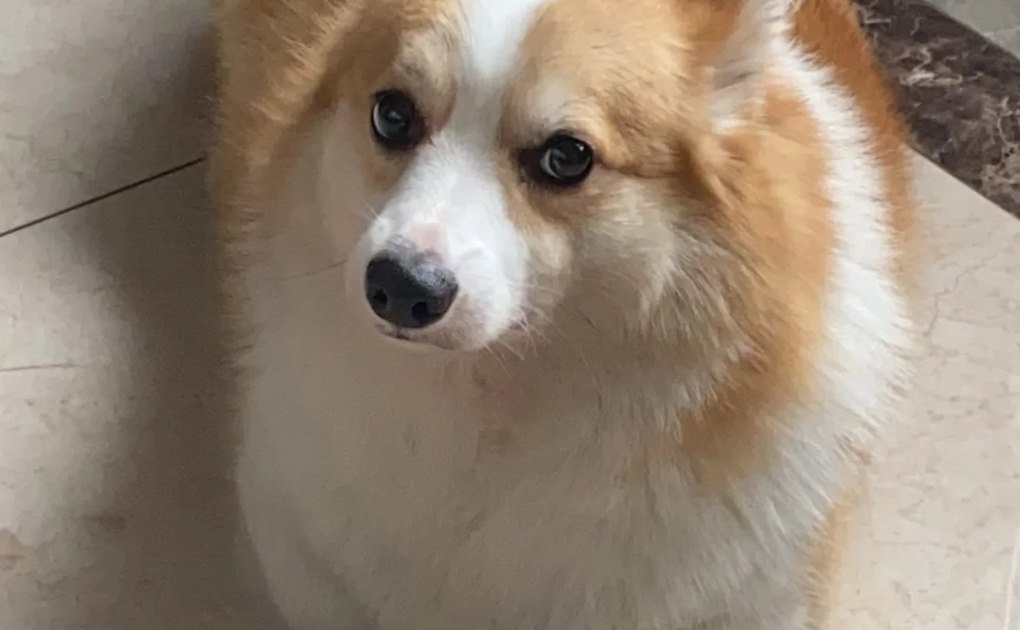
Weight gain can happen so gradually that it is easy to miss. Paying attention to small changes in body condition, activity, and daily habits can help protect your dog’s health over time.
01 — NOTICE THE CHANGE
Many pet owners don’t realize that their dog is gradually gaining weight because weight gain often happens slowly and can be difficult to notice.
Even a small amount of excess weight can have a lasting impact on your dog’s health. That’s why regularly monitoring your dog’s weight and body condition is an important part of keeping them healthy.
Weight management is not simply about appearance. It is about noticing gradual changes early enough to respond before they begin affecting everyday health and mobility.
02 — CHECK AT HOME
A dog’s ideal weight can vary depending on breed, body size, age, and lifestyle, so weight alone isn’t always enough to tell whether your dog is in a healthy range.
If you’re unsure whether your dog’s weight is appropriate, talk to your veterinarian at their next health checkup to find out what their ideal weight range should be.
Their waistline is no longer clearly visible
They become short of breath after only mild activity
Their collar needs to be loosened
They are less active or move more slowly
Changes appear in mood or behavior
Place your hands gently on both sides of your dog’s body and feel for their ribs. If the ribs are difficult to feel or you can’t feel them at all, your dog may be carrying excess weight.
The ribs, spine, and hip bones are clearly visible from a distance, with little to no visible body fat.
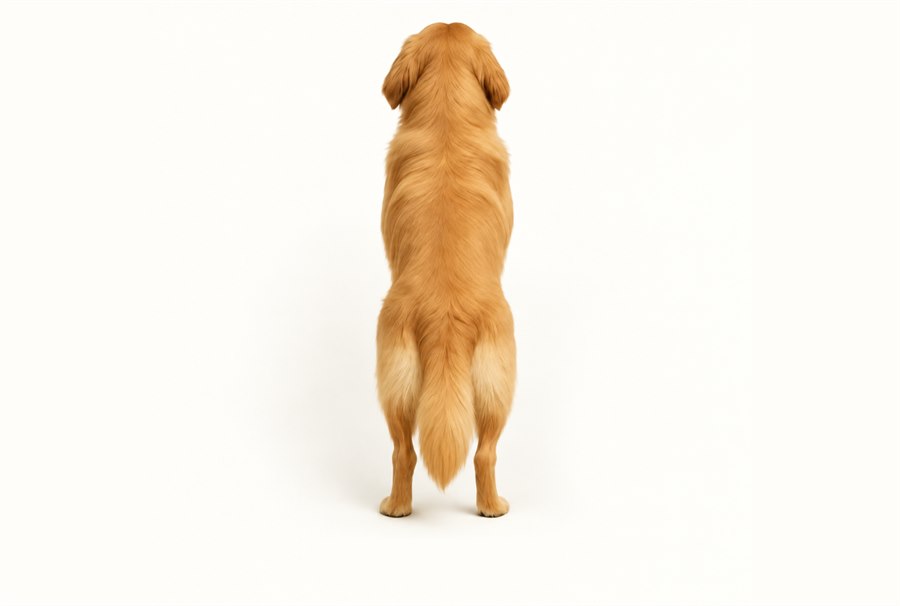
The ribs can be easily felt without excess fat. From above, a clear waistline is visible behind the rib cage, and the abdomen is tucked up from the side.
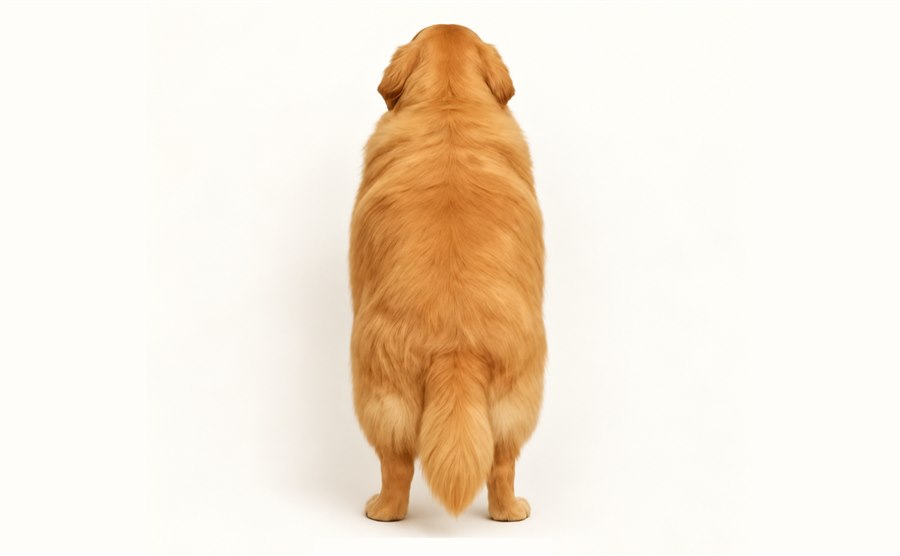
The ribs are covered by a thick layer of fat and are difficult to feel. Fat may collect around the neck, chest, spine, and base of the tail, while the waist becomes less defined.
03 — WHY IT MATTERS
A dog’s ideal weight can vary depending on breed, body size, age, and lifestyle, so weight alone isn’t always enough to tell whether your dog is in a healthy range.
IMPORTANT WARNING
When a dog’s weight is around 10% above its ideal range, the risk of developing serious health problems may increase significantly.
Maintaining a healthy weight helps your dog stay active and energetic and can support a better quality of life. Compared with dogs at a healthy weight, overweight dogs may also have a significantly shorter lifespan.
Excess weight may increase the risk of metabolic health problems such as diabetes.
Additional body weight places more strain on the joints and can make movement less comfortable.
Overweight dogs may face an increased risk of urinary health problems, including urinary stones.
Carrying excess weight can also increase the risk of cardiovascular health problems.
04 — UNDERSTAND THE CAUSES
Dogs typically gain weight when they accumulate excess body fat, often because they consume more calories than they use through physical activity. However, there are other factors that can contribute to weight gain, including:
01 — Age
Older dogs are often less active and have lower energy needs than they did when they were younger. Adjusting nutrition and calorie intake to suit age is important for maintaining a healthy weight.
02 — Breed
Some breeds may naturally be more prone to gaining weight than others because energy needs and metabolism vary.
03 — Spaying / Neutering
Research has shown that neutered dogs may have lower energy requirements, meaning they may need fewer calories to maintain a healthy weight.
04 — Health Conditions
Certain medical conditions can contribute to weight gain and may require specific treatment. Veterinary guidance is important when weight changes are unexplained.
05 — Overfeeding
Consuming more calories than the body needs can lead to weight gain. This may happen when food portions aren’t properly controlled or vary from meal to meal.
06 — Feeding Habits
Regularly giving table scraps or human food can add extra calories to a dog’s diet and may contribute to obesity over time.
05 — START MOVING
Just like proper nutrition, regular exercise plays an important role in helping dogs lose weight in a healthy way. The goal is not just to move more, but to make activity consistent and enjoyable.
01
Fetch, tug-of-war, simple obstacle courses, and learning new tricks can make activity feel playful rather than repetitive. These activities can help dogs stay physically active while also engaging the mind.
02
Even a simple daily walk can help burn calories while stimulating the senses. As fitness improves, brisk walking or light jogging can be added gradually to increase activity.
03
Swimming is a low-impact exercise that can be especially suitable for older dogs. If your dog enjoys the water, a safe, pet-friendly swimming area can be a great place to stay active.
06 — ONE DAY AT A TIME
Managing your dog’s weight isn’t a short-term “diet plan”—it’s a lifelong commitment to their health. From portion control and fewer unnecessary treats to regular exercise and routine body-condition checks, every small habit can help your dog maintain a healthier weight and enjoy a happier, more active life.